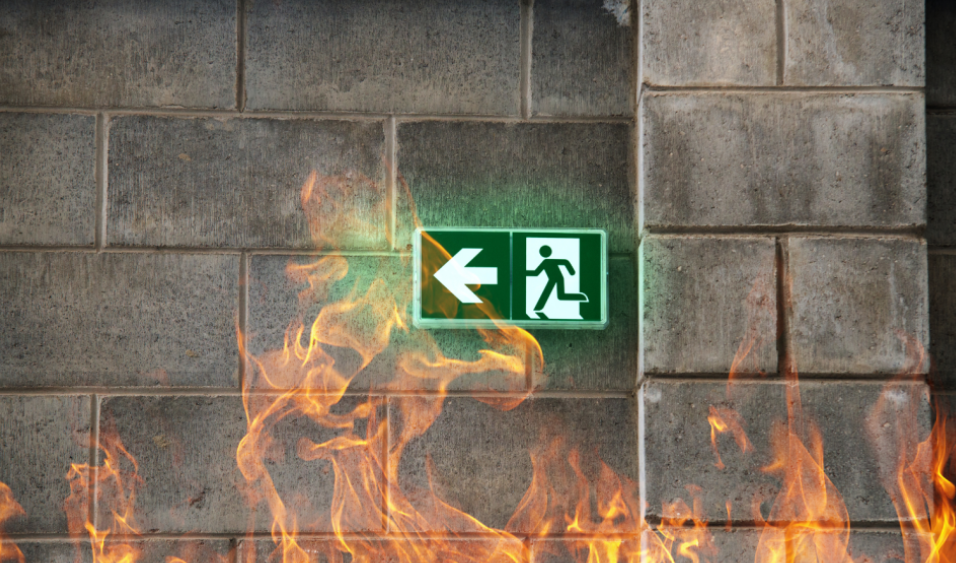
Introduction: Building Strong Fire Safety from the Ground Up
Fire safety does not begin with alarms or extinguishers—it begins with understanding risk. Every building, regardless of size or function, contains conditions that could lead to a fire. A structured Fire Risk Assessment helps uncover these conditions and provides a clear path to reduce danger before an incident occurs.
When fire risks are assessed properly, safety becomes predictable rather than reactive. This article explains the step-by-step method of fire risk assessment and how it strengthens fire prevention and life safety.
The Purpose of a Step-by-Step Fire Risk Assessment
A step-by-step approach ensures consistency and accuracy.
Why Structure Matters
- Prevents missed hazards
- Helps prioritize actions
- Supports legal compliance
- Improves communication
Fire risk assessment becomes more effective when each step is clearly defined and followed.
See also: Buy Dog Bed Covers Online for Comfort, Hygiene, and Style
Step One: Identifying Fire Hazards
The first step focuses on discovering anything that could cause or worsen a fire.
Typical Fire Hazards
- Electrical equipment
- Heating systems
- Cooking appliances
- Flammable liquids
- Combustible waste
This step requires a physical inspection of all areas, not assumptions.
Step Two: Identifying People at Risk
Fire affects people differently depending on location and ability.
People to Consider
- Employees and residents
- Visitors and customers
- Contractors
- Disabled or elderly individuals
Understanding who may be affected helps shape evacuation and protection measures.
Step Three: Evaluating the Level of Risk
Risk evaluation considers both likelihood and consequences.
Risk Evaluation Questions
- How likely is ignition?
- How quickly could fire spread?
- How many people could be affected?
High-risk areas require stronger control measures.
Step Four: Removing or Reducing Fire Risks
Prevention is the most effective control.
Risk Reduction Measures
- Eliminating ignition sources
- Improving housekeeping
- Separating fuels from heat
- Using fire-resistant materials
Even small improvements can significantly reduce risk.
Step Five: Fire Detection and Warning Systems
Early detection allows quick action.
Detection Assessment Includes
- Smoke and heat detector coverage
- Alarm audibility
- Visual alarms for hearing-impaired occupants
- Backup power supplies
Fire risk assessment ensures systems are appropriate and reliable.
Step Six: Firefighting Equipment Assessment
Firefighting equipment supports early intervention.
Key Considerations
- Correct extinguisher types
- Accessible locations
- Clear instructions
- Regular servicing
Equipment should match the type of fire risk present.
Step Seven: Means of Escape and Emergency Lighting
Safe escape routes are essential for life safety.
Escape Route Checks
- Exit availability
- Travel distances
- Emergency lighting
- Exit signage
Fire risk assessment confirms occupants can evacuate safely in poor visibility.
Step Eight: Emergency Planning and Procedures
Planning reduces panic during emergencies.
Emergency Plan Elements
- Evacuation procedures
- Assembly points
- Fire warden roles
- Communication methods
Plans must be simple and well-communicated.
Step Nine: Training and Awareness
People play a major role in fire safety.
Training Topics
- Fire prevention behavior
- Alarm response actions
- Evacuation drills
- Reporting hazards
Fire risk assessment identifies training gaps and priorities.
Step Ten: Recording Findings and Actions
Documentation proves accountability.
What to Record
- Identified hazards
- Control measures
- Action deadlines
- Responsible persons
Written records support audits and inspections.
Step Eleven: Reviewing and Updating the Assessment
Fire risk is not static.
Review Triggers
- Building changes
- New equipment
- Staff changes
- Fire incidents or near misses
Regular reviews keep safety measures effective.
Benefits of a Structured Fire Risk Assessment
A step-by-step approach delivers clear benefits.
Key Advantages
- Reduced fire incidents
- Improved evacuation readiness
- Legal compliance
- Stronger safety culture
Consistency improves reliability and confidence.
Common Errors in Step-by-Step Assessments
Even structured approaches can fail.
Frequent Mistakes
- Rushing inspections
- Ignoring real behavior
- Failing to follow up actions
- Poor communication
Attention to detail is essential.
FAQs About Fire Risk Assessment
1. Is a step-by-step fire risk assessment mandatory?
Yes, most regulations require a structured approach.
2. Can small businesses use the same steps?
Yes, but the depth should match the risk level.
3. How long does a full assessment take?
It depends on size, complexity, and occupancy.
4. Who should review fire risk assessments?
Competent persons or fire safety professionals.
5. Are fire drills part of the assessment?
Yes, drills test the effectiveness of plans.
6. How often should reviews be done?
At least annually or after significant changes.
Conclusion
A structured Fire Risk Assessment provides a reliable and practical method to strengthen fire prevention and life safety. By following each step carefully, organizations can identify hazards early, protect people effectively, and reduce the impact of fire emergencies.
Fire safety success depends on planning, consistency, and commitment—and a step-by-step fire risk assessment makes that possible.