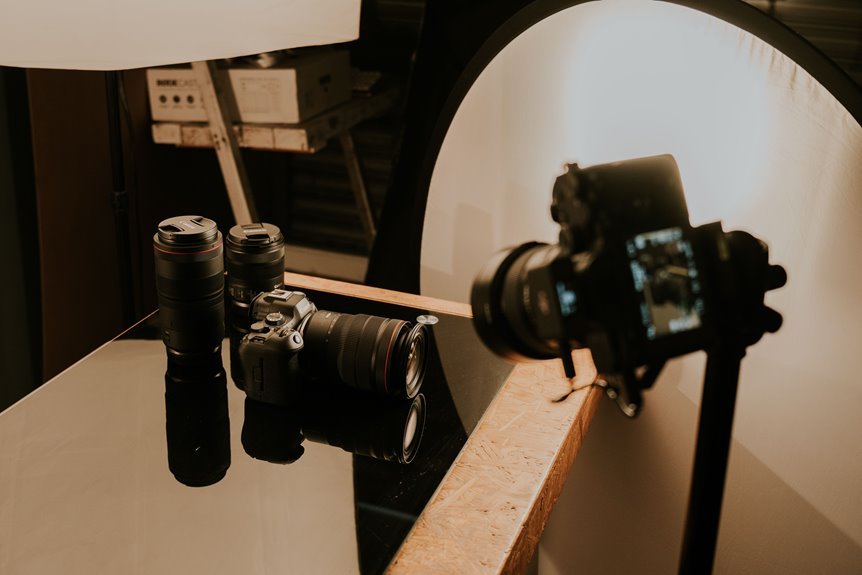
Three-point lighting shapes how form, mood, and realism converge on the subject. Key, fill, and backlight carve depth, soften or intensify shadows, and guide emphasis with discipline. Color temperature, distance, and power tune the atmosphere and directly influence spill and falloff. Wardrobe and gesture steer practical choices, binding art to plausibility. A practical workflow keeps plans aligned with constraints, yet meets intent; the result hinges on choosing when to push or pull the light—anticipation awaits the next decision.
What Three-Point Lighting Is and Why It Matters
Three-point lighting is a foundational studio technique that shapes how a subject is seen by separating them from the background and guiding the viewer’s focus. This method clarifies form, depth, and intent, translating storytelling into visual precision. It embodies three point lighting terminology and lighting gear essentials, empowering creators with clarity, freedom, and control over mood and narrative texture.
How Key, Fill, and Backlight Shape Mood and Depth
Key light defines the subject’s primary shape and presence, carving dimension with directional intensity that suggests intent and immediacy. The interplay of key light mood and backlight creates contour and separation, while fill light depth softens shadows, revealing nuance without erasing form.
Together, these elements sculpt atmosphere, guiding perception, rhythm, and emotional resonance for a liberated, cinematic story.
How Color Temperature, Power, and Distance Affect Shadows
Color temperature, power, and distance converge to sculpt the shadows that define three-point lighting’s readability. Shadows reveal color accuracy through calibrated hues, while intensity shapes contrast and texture with disciplined cadence.
Higher power expands spill, softer distance narrows falloff, and color temperature guides mood without distortion.
Wardrobe implications emerge, ensuring fabric tones stay truthful to the scene, enabling intentional freedom in expression.
How Subject Factors and Wardrobe Steer Lighting Decisions
Subject factors and wardrobe choices act as guiding constraints that shape lighting decisions with disciplined intent. The observer notes how subject traits and wardrobe choices contour shadows, highlights, and mood, guiding color coordination and emphasis. Lighting decisions respond to form, gesture, and intent, preserving narrative clarity. Subtle color coordination reinforces character, while freedom remains in the viewer’s perception and emotional resonance.
Practical Constraints and a Simple Workflow for Consistent Results
Practical constraints shape how three-point lighting is applied in real-world shoots, anchoring creative intent to workable realities.
The piece outlines how practical constraints guide setup decisions, presents a simple workflow for repeatable results, and emphasizes documentation such as model release where necessary.
It also considers equipment costs, promoting efficient choices and flexible planning without sacrificing artistic clarity.
Frequently Asked Questions
How Do Lighting Modifiers Affect Three-Point Setups in Small Spaces?
In small spaces, lighting modifiers shape three-point setups by controlling spill and softness; softbox versatility allows compact, directional illumination, while reflectors impact fill. The approach emphasizes vision, precision, storytelling, granting freedom within measured, adaptable constraints.
Can Ambient Light Ruin a Controlled Three-Point Lighting Plan?
Ambient interference can derail a controlled three-point plan, but space constraints and deliberate control finesse let lighting modifiers counteract it. The story emphasizes vision: modifiers tame variance, guiding freedom while maintaining precise, balanced illumination against ambient intrusions.
What Are Budget-Friendly Alternatives for Professional-Grade Lighting?
Budget friendly options include affordable LED panels, clamp lights, and daylight-balanced bulbs. The lighting budget can stretch with DIY diffusion, practicals, and bounce, enabling precise three-point aesthetics while preserving creative freedom and vision for resourceful storytellers.
How Often Should You Recalibrate Lights for Consistent Shoots?
A striking 72% of crews report stable shoots when calibration happens biweekly. This recalibration cadence fosters lighting consistency, enabling creators to maintain vision and precision without sacrificing freedom, as adjustments become a rhythmic storytelling element rather than a hurdle.
Do Subject Movements Require Dynamic Lighting Adjustments?
Yes, subject movements require dynamic adjustments, as lighting must respond to motion. The system employs motion compensation, guiding dynamic adjustments to preserve exposure and mood while preserving narrative clarity, granting freedom within precise, visual storytelling constraints.
Conclusion
Three-point lighting converges like a quiet orchestra, and suddenly the room erupts in character. The key carves intent, the fill breathes humanity, the backlight crowns with drama, while shadows learn new language across wardrobe and distance. Color temp bends mood; power and distance choreograph falloff with theatrical precision. Subject decisions steer the glow, not the other way around. In practice, constraints become catalysts, and a simple setup unfolds into a vivid, repeatable storytelling engine—sharp, bold, unforgettable.