Shutter speed for motion hinges on a few core questions. Do you want to freeze action or convey movement? What story or emotion sits at the center—crystal clarity or flowing energy? How does lighting affect exposure—can you use fast speeds without losing light, or must you lengthen the shutter for mood? Consider the subject’s movement pattern and how framing shifts with speed. Then test quickly to confirm your choice before proceeding.
What Is the Core Role of Shutter Speed in Motion
Shutter speed is the primary control over how motion appears in an image. It defines exposure timing and directly shapes motion blur, revealing or concealing movement.
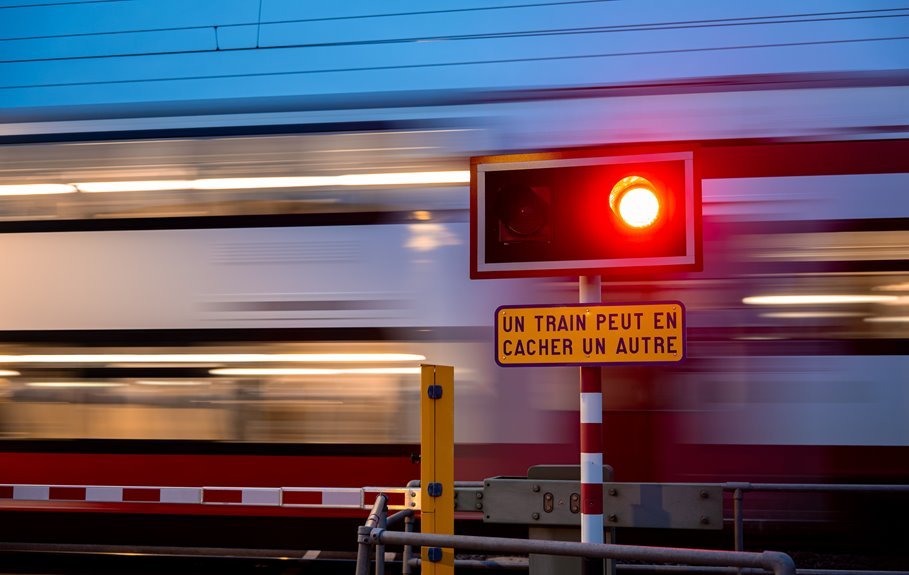
Faster speeds freeze action with sharp detail, while slower speeds emphasize trajectories and energy. The choice aligns with intent, balancing light intake and desired narrative, enabling controlled motion representation without unnecessary complexity.
How to Decide What You’re Trying to Freeze or Blur
To decide what to freeze or blur, identify the story you want the image to tell. The observer should note motion cues, character emphasis, and environmental details that support intent.
Choose motion blur for atmosphere and speed, or freezing action for clarity and impact. Align shutter choices with narrative goals, not merely technique, and maintain intentional, concise visual communication.
How Lighting and ISO Steer Your Shutter Choices
How lighting conditions and ISO settings influence shutter choices is essential for controlled exposure and desired motion effect.
Lighting and ISO guide balance: brighter scenes allow faster shutters, preserving motion as motion blur, while lower light demands longer exposures to achieve sufficient light exposure.
This relationship helps photographers plan intentional motion, ensuring clarity where needed and atmosphere where desired.
How Your Subject’s Movement Patterns Change the Plan
Subject movement dictates shutter strategy: Fast, erratic motion requires short exposures to freeze action, while slow, deliberate movements permit longer shutters to convey motion blur.
Movement patterns determine planning: rapid subject speed calls for tighter framing and higher shutter, whereas measured patterns allow broader framing and moderate speeds.
Photographers adjust timing to sustain context, minimize crispness loss, and preserve intentional motion storytelling.
Practical Steps to Dial in the Right Shutter Speed Now
Narrowing down the correct shutter speed starts with a quick assessment of the scene: determine whether the goal is to freeze action or to expose motion.
Practical steps unfold through quick tests, steady framing, and deliberate adjustments.
Focus examples guide decision thresholds, while gear considerations shape available options.
This approach remains clear, concise, and oriented toward freedom in capture.
Frequently Asked Questions
How Does Shutter Speed Affect Subject Color Accuracy?
Shutter speed can alter color accuracy via motion blur and light metering. Faster speeds freeze color, but underperform in mixed light, while slower speeds shift tones. Consider color calibration tools and consistent light metering for dependable results.
Can Motion Blur Simulate Speed in Post-Processing?
Motion blur cannot truly simulate speed; it adds perceived movement but cannot replicate actual shutter cadence and subject motion. Motion blur tracks timing, while authentic speed requires synchronized shutter speeds, panning, and deliberate cadence for believable motion portrayal.
What Shutter Speeds Are Best for Street Photography Motion?
A striking 1/60-second flash estimate shows street tempo governs exposure; for street photography motion, optimal shutter speeds vary. The recommendation is 1/125–1/250s to preserve motion rhythm while keeping subjects discernible, balancing grit, clarity, and creative freedom.
How Does Frame Rate Influence Usable Shutter Speeds?
Frame rate constrains usable shutter by determining motion blur tolerance; higher rates demand faster shutter to avoid smear, while lower rates permit longer exposure for motion trails. The balance yields consistently usable shutter suitable for expressive, freedom-seeking shooters.
When Should You Bracket Shutter Speeds for Motion Scenes?
Bracketing shutter should occur when motion complexity demands coverage and risk of blur is high. In motion scenes, bracket to capture sharp frames at varying speeds, then combine for balance, ensuring freedom to choose optimal exposure afterward.
Conclusion
In the end, shutter speed serves as a quiet guide, not a tyrant. It gently steers what the eye perceives: a moment preserved with clarity or a scene alive with motion. By weighing what you wish to tell—the still dignity of a freeze or the whisper of movement—you avoid forcing a single mood. With mindful tests and thoughtful framing, the chosen speed becomes a subtle, reliable ally in shaping the story you intend to tell.