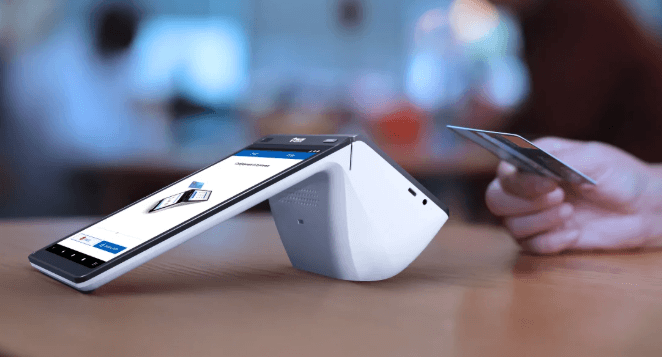
In today’s digital economy, a pos terminal has become an essential tool for businesses of all sizes. POS terminals allow companies to process payments securely and efficiently, manage sales, and improve overall customer experience. Whether for retail stores, restaurants, or service providers, having a reliable POS terminal simplifies transactions and supports operational growth.
With the increasing demand for fast and secure payment options, implementing a POS terminal is a strategic move for businesses seeking to streamline their processes and enhance customer satisfaction.
What is a POS Terminal?
A POS terminal, or point-of-sale terminal, is an electronic device that processes card payments and digital transactions. It connects to banks and payment networks to authorize, process, and complete purchases quickly and securely.
Key Features of POS Terminals
- Accepts credit and debit card payments
- Supports contactless and mobile payments
- Secure encryption for transaction safety
- Integration with inventory and accounting systems
- Real-time sales and transaction reporting
These features enable businesses to manage payments and operations more effectively while providing a seamless checkout experience.
Benefits of Using a POS Terminal
Improved Transaction Speed
POS terminals reduce checkout times, improving operational efficiency and customer satisfaction.
Enhanced Security
Data encryption ensures that customer payment information is protected against fraud.
Accurate Financial Tracking
Automatic logging of transactions simplifies accounting, inventory management, and reporting.
Versatile Payment Options
Supporting multiple payment methods allows customers to pay conveniently, enhancing loyalty.
Types of POS Terminals
Standalone POS Terminals
Ideal for small businesses, these devices operate independently and are easy to set up.
Integrated POS Terminals
Connected to POS software, these terminals offer advanced inventory, reporting, and customer management.
Mobile POS Terminals
Portable devices allow businesses to accept payments anywhere, improving flexibility and service.
Cloud-Based POS Systems
Centralized management and reporting make these systems suitable for businesses with multiple locations.
How to Choose the Right POS Terminal
Compatibility
Ensure the terminal supports all preferred payment methods, including credit cards, mobile wallets, and contactless payments.
Security Standards
Look for terminals compliant with global encryption standards for safe transactions.
See also: Registered Business Address and Company Formation: What Comes First?
User-Friendly Interface
A simple interface ensures staff can quickly process transactions and reduces errors.
Cost-Effectiveness
Compare upfront costs, transaction fees, and maintenance charges to find a solution that fits your budget.
Practical Application
Businesses aiming to streamline operations and improve customer experience often rely on pos terminal solutions. These devices provide secure, efficient, and flexible payment processing while supporting growth and operational efficiency.
FAQs
What is a POS terminal?
A POS terminal is an electronic device that processes payments and manages sales transactions efficiently.
Can POS terminals accept mobile and contactless payments?
Yes, modern POS terminals support NFC-enabled mobile payments and contactless cards.
How do POS terminals help businesses?
They improve transaction speed, ensure payment security, and provide accurate sales and inventory tracking.
Conclusion
POS terminals are indispensable tools for modern businesses, enhancing both operational efficiency and customer experience. By choosing the right solution, businesses can simplify payment processing, maintain accurate records, and offer flexible payment options.
Investing in a reliable POS terminal ensures smooth, secure, and convenient transactions, empowering businesses to stay competitive and meet customer expectations in today’s fast-paced market.