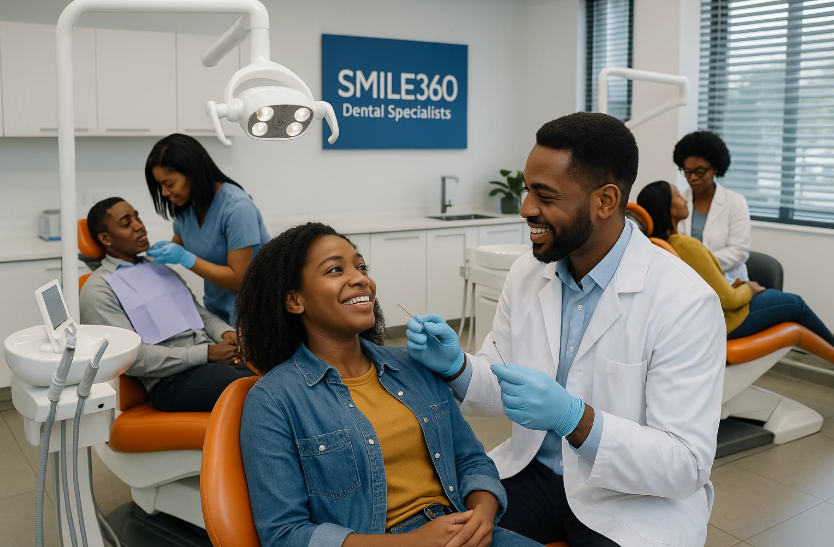
The Evolution of Modern Dental Care
The landscape of dental care has undergone a remarkable transformation over the past few decades, evolving from purely functional treatments to a sophisticated blend of medical expertise and artistic vision. Today’s dental professionals, such as a dentist Pinner, approach each patient’s smile as a unique canvas, combining technical precision with aesthetic sensibility to create results that extend far beyond mere oral health.
Modern dentistry recognises that a beautiful smile serves as more than just a functional necessity—it acts as a powerful tool for personal confidence and social interaction. This understanding has revolutionised the way practitioners approach treatment planning, incorporating elements of facial harmony, colour theory, and proportional design into their clinical decision-making process.
The Science Behind Smile Design
Contemporary dental artistry relies heavily on advanced technology and scientific principles to achieve optimal results. Digital imaging systems allow practitioners to visualise potential outcomes before treatment begins, whilst computer-aided design tools enable precise planning of restorative work. These technological advances have made it possible to predict and create smiles that complement each individual’s unique facial features and personality.
The integration of materials science has also played a crucial role in this evolution. Modern ceramics and composite materials can now replicate the natural translucency and colour variations found in healthy tooth enamel, allowing for restorations that are virtually indistinguishable from natural teeth. Whether seeking routine care or complex reconstructive work, patients can now access dental services that combine these advanced materials with artistic expertise.
Understanding Facial Aesthetics
Successful dental artistry requires a thorough understanding of facial aesthetics and how dental elements contribute to overall appearance. Practitioners must consider factors such as lip support, gingival architecture, and tooth proportions when designing treatment plans. The golden ratio, long recognised in art and architecture, plays a significant role in creating naturally pleasing dental aesthetics.
Furthermore, the relationship between upper and lower teeth, known as occlusion, must be carefully balanced to ensure both functional efficiency and aesthetic appeal. This dual focus on form and function exemplifies the artistry inherent in modern dental care, where technical excellence meets creative vision to produce transformative results.
The Psychological Impact of Smile Transformation
The transformative power of dental artistry extends well beyond the physical realm, profoundly influencing patients’ psychological well-being and social confidence. Research consistently demonstrates that individuals who feel positive about their smiles exhibit increased self-esteem and are more likely to engage actively in social and professional situations. This psychological transformation often proves as significant as the physical changes achieved through treatment.
Dental professionals increasingly recognise their role as facilitators of personal transformation, understanding that their work can fundamentally alter how patients perceive themselves and interact with the world. The artistry involved in creating beautiful smiles requires not only technical skill but also empathy and understanding of each patient’s unique circumstances and aspirations.
Collaborative Approach to Treatment
Modern dental artistry thrives on collaboration between various specialists, each contributing their expertise to achieve optimal outcomes. Orthodontists, periodontists, and cosmetic dentists often work together, sharing insights and coordinating treatments to ensure comprehensive care. This multidisciplinary approach allows for more sophisticated treatment planning and superior results.
The collaborative process extends to include patients themselves, who become active participants in designing their desired smiles. Through detailed consultations and visual planning tools, practitioners can explore comprehensive treatment philosophies that align with patient expectations while maintaining realistic goals based on clinical possibilities.
Technology and Innovation in Dental Artistry
The integration of cutting-edge technology continues to push the boundaries of what’s achievable in dental artistry. Three-dimensional imaging, laser therapy, and minimally invasive techniques have revolutionised treatment possibilities whilst reducing patient discomfort and recovery times. These innovations allow practitioners to preserve more natural tooth structure whilst achieving superior aesthetic outcomes.
Digital workflows now enable seamless communication between dental laboratories and clinical practices, ensuring precise fabrication of custom restorations. Many practices document their transformative work through detailed case study portfolios, showcasing the remarkable results achievable through modern dental artistry techniques.
See also: Exec Coach: Elevating Leadership and Professional Growth
The Future of Smile Design
As dental artistry continues to evolve, the focus remains firmly on creating natural, beautiful smiles that enhance patients’ lives. The combination of artistic vision, scientific knowledge, and technological innovation ensures that transformative dental care will continue advancing. Professional communities, including those sharing insights through dedicated social media platforms, foster ongoing education and collaboration among practitioners worldwide.
The future promises even more sophisticated approaches to smile design, with artificial intelligence and advanced materials science opening new possibilities for personalised, predictable, and beautiful dental transformations that truly change lives.