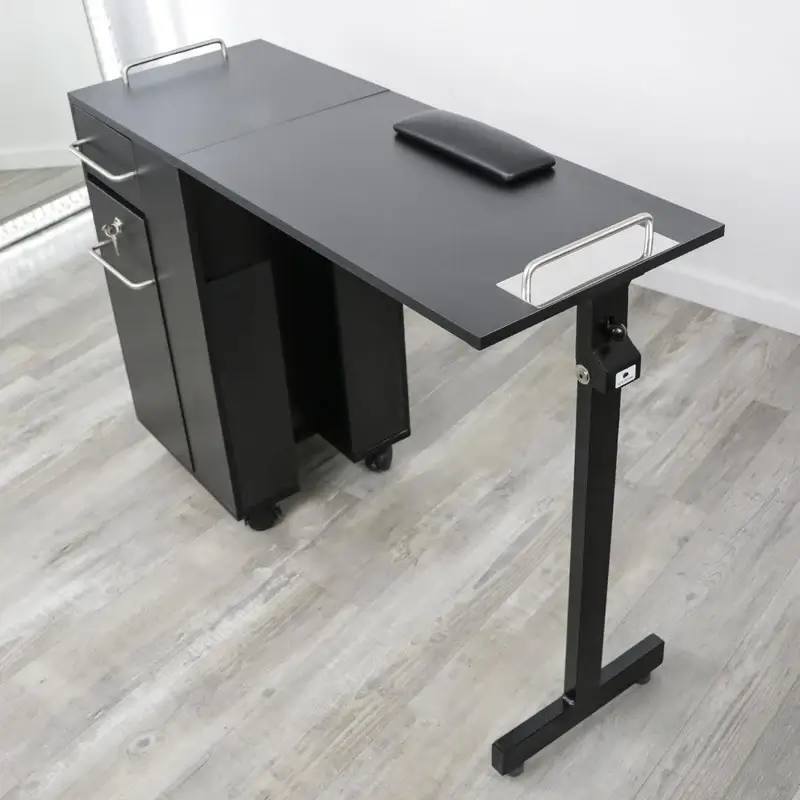
Creating an efficient nail salon requires thoughtful planning, professional furniture selection, and a layout that supports both customer comfort and technician productivity. One important factor salon owners should evaluate before purchasing furniture is manicure table dimensions.
Manicure stations are essential workspaces in nail salons, beauty studios, and spa businesses. Choosing the right table size affects workflow efficiency, space management, organization, and overall customer experience. Whether launching a new salon or redesigning an existing workspace, understanding furniture measurements helps businesses create a professional and functional environment.
Modern beauty businesses increasingly balance aesthetics with practicality, making furniture sizing an important business consideration.
Why Manicure Table Size Matters
Salon furniture directly affects daily operations.
Selecting tables without considering measurements may create challenges such as:
- Limited technician movement
- Customer discomfort
- Reduced workspace efficiency
- Crowded salon layouts
- Storage limitations
Careful planning improves both operational performance and customer satisfaction.
Businesses that prioritize workspace functionality often build stronger foundations for long-term growth.
Standard Manicure Table Measurements Explained
Furniture sizes vary depending on salon concepts, workstation features, and service requirements.
However, understanding common sizing standards helps business owners plan effectively.
Width Considerations
Many manicure stations range between 36 and 48 inches wide.
Larger workstations may support additional storage and workspace functionality.
Compact salons often prioritize space-efficient furniture solutions.
Depth Requirements
Depth commonly ranges from approximately 16 to 24 inches.
Proper depth planning supports:
- Comfortable technician access
- Workspace organization
- Better customer positioning
Overly deep workstations may reduce movement efficiency.
Height Planning
Ergonomic workstation height influences technician comfort significantly.
Technicians often spend extended hours working at manicure stations.
Proper height selection helps improve:
- Posture support
- Service consistency
- Daily operational comfort
Businesses evaluating manicure table dimensions frequently consider sizing carefully before investing in furniture solutions.
Key Factors Influencing Furniture Selection
Furniture decisions should align with operational requirements and long-term business goals.
Several factors influence workstation sizing.
Salon Floor Space
Available space remains one of the biggest considerations.
Business owners should evaluate:
- Total salon size
- Service capacity goals
- Walkway accessibility
- Technician movement space
Efficient layouts improve both functionality and appearance.
Storage Requirements
Modern manicure stations often support workspace organization.
Storage solutions may include:
- Drawer systems
- Product organization areas
- Tool accessibility features
Storage requirements often influence furniture dimensions.
Service Offerings
Expanded beauty services may require additional workstation functionality.
Business owners should align furniture planning with service strategies.
Long-term planning improves operational flexibility.
Why Space Planning Matters in Nail Salons
Furniture sizing alone does not determine salon performance.
Layout planning influences workflow quality and customer experience.
Technician Productivity
Efficient workspaces improve service delivery.
Adequate movement space supports:
- Faster workflows
- Better organization
- Reduced workspace strain
Functional layouts improve operational consistency.
Customer Comfort
Beauty environments increasingly emphasize comfort.
Spacious workstation layouts help create:
- Better customer experiences
- Premium visual impressions
- Improved satisfaction levels
Comfort contributes directly to retention.
Movement Accessibility
Customers and staff require comfortable navigation throughout salon environments.
See also: Business Information Group Background Check: Guide
Clear pathways improve:
- Safety
- Convenience
- Workflow quality
Overcrowded layouts often create operational limitations.
Common Furniture Planning Mistakes to Avoid
Layout decisions influence business performance for years.
Avoiding common mistakes supports stronger operational outcomes.
Prioritizing Appearance Over Functionality
Furniture aesthetics matter, but practical performance remains equally important.
Balancing both factors improves ownership value.
Installing Excessive Workstations
Adding too many stations may reduce customer comfort.
Balanced layouts often outperform maximum-capacity designs.
Efficiency matters more than density.
Ignoring Future Business Growth
Salon businesses often evolve.
Flexible planning supports:
- Service expansion
- Workspace adaptation
- Long-term scalability
Growth planning improves future operational flexibility.
Trends Influencing Nail Salon Furniture Design
Beauty industry expectations continue evolving.
Several trends increasingly shape furniture decisions.
Ergonomic Workspace Design
Technician comfort increasingly influences furniture planning.
Ergonomic solutions improve productivity and long-term workspace quality.
Modern Minimalist Layouts
Contemporary beauty businesses frequently emphasize open layouts.
Efficient furniture sizing supports cleaner visual presentation.
Technology Integration
Modern salon furniture increasingly incorporates:
- Charging features
- Workspace organization systems
- Advanced ventilation considerations
Technology-friendly designs improve functionality.
Building Stronger Salon Operations Through Better Planning
Furniture investments influence operational performance significantly.
Salon owners planning workstation purchases should prioritize:
- Workspace efficiency
- Customer comfort
- Storage functionality
- Future flexibility
- Technician accessibility
Thoughtful planning strengthens long-term business foundations.
Businesses investing strategically often improve workflow quality while creating stronger customer experiences.
FAQ
1. Why are manicure table dimensions important?
Proper sizing improves workflow efficiency, technician comfort, and customer satisfaction.
2. Can larger manicure tables improve salon performance?
Not always. Furniture should align with available space and business needs.
3. Should salon owners consider future growth when selecting furniture?
Yes. Flexible planning improves long-term operational adaptability.
Conclusion
Understanding manicure table dimensions helps businesses create efficient, professional, and customer-friendly beauty environments. Proper furniture planning improves workflow quality, strengthens technician productivity, and supports stronger customer experiences. Businesses that combine functionality with thoughtful space planning often create stronger foundations for sustainable salon growth.