Introduction
Strong foundations are essential for any construction project, whether it is a road, driveway, or large infrastructure development. The durability and performance of these projects depend heavily on the materials used. One trusted name in this field is geofantex, known for providing advanced geotextile solutions that improve soil stability and enhance road base performance. Understanding how geofantex works can help you achieve long-lasting and cost-effective results.
What Is Geofantex?
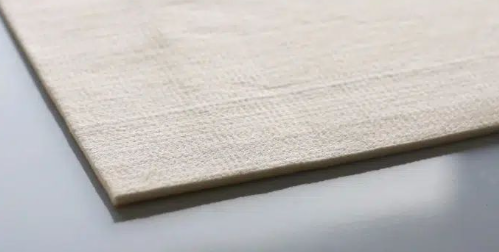
Geofantex represents high-performance geosynthetic materials designed to support construction and landscaping projects. These materials are engineered to provide strength, flexibility, and durability under various conditions.
Key Features
- High tensile strength
- Excellent permeability
- Resistance to environmental stress
- Long service life
- Versatile applications
These qualities make geofantex a dependable choice for improving ground performance.
Role of Geofantex in Road Base Stabilization
A strong road base is critical for supporting heavy loads and preventing surface damage. Geofantex materials play an important role in enhancing this foundation.
Improves Load Distribution
Geofantex helps spread weight evenly across the surface, reducing stress on the soil below.
Prevents Soil Mixing
It acts as a separation layer that keeps different soil types from mixing, maintaining structural integrity.
Enhances Drainage
The permeable structure allows water to pass through while preventing soil erosion and damage.
Benefits of Using Geofantex
Increased Durability
Projects that use geofantex materials tend to last longer due to improved stability.
Reduced Maintenance
By preventing soil movement and damage, it minimizes the need for repairs.
Cost Efficiency
It reduces long-term costs by improving performance and durability.
Eco-Friendly Solution
Geofantex supports sustainable construction by reducing the need for excessive materials and chemicals.
Applications of Geofantex
Geofantex materials are widely used across different construction projects.
Common Uses
- Road construction
- Driveways
- Parking areas
- Foundation layers
- Drainage systems
Installation Guidelines
Proper installation ensures the best results.
Steps to Follow
- Prepare and level the ground surface
- Lay the material evenly
- Overlap edges to prevent gaps
- Secure the fabric properly
- Add base materials on top
Learn More About Road Base Solutions
For a deeper understanding of how these materials improve construction performance, you can explore geofantex solutions designed for stronger and more durable road bases.
Common Mistakes to Avoid
Avoid poor ground preparation, improper installation, using low-quality materials, or ignoring drainage requirements, as these can reduce effectiveness.
FAQs
What is geofantex used for?
Geofantex is used for soil stabilization, road base improvement, drainage, and reinforcement.
Can geofantex improve road durability?
Yes, it enhances load distribution and prevents soil movement, improving durability.
How long does geofantex last?
High-quality geofantex materials can last for many years depending on usage and conditions.
Conclusion
Geofantex is a reliable and effective solution for improving road base performance and ensuring long-term stability. Its ability to enhance drainage, prevent soil mixing, and distribute loads makes it an essential material in modern construction projects. By using geofantex correctly and following proper installation practices, you can achieve durable, cost-effective, and long-lasting results. Investing in high-quality geofantex materials is a smart choice for building strong and stable foundations.